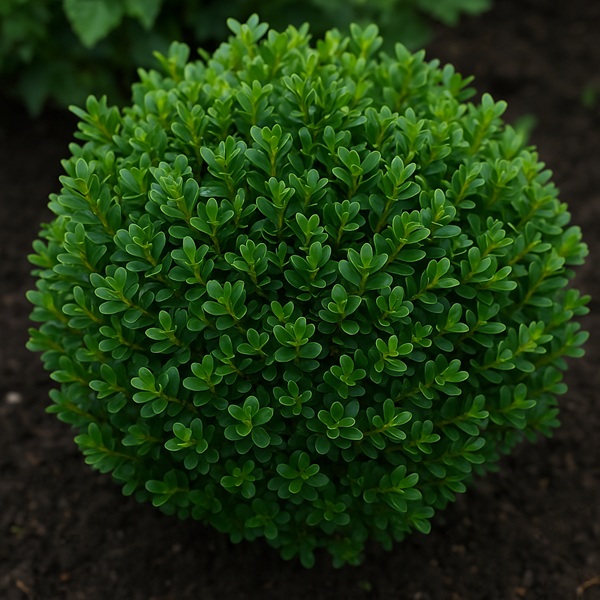
Boxwood (Buxus sempervirens) is an evergreen shrub that has been used in ornamental gardening and landscape design since ancient times. Thanks to its dense crown, slow growth, and ability to tolerate pruning well, boxwood is one of the main plants used for creating borders, topiary forms, hedges, and geometric shapes. In Ukraine, boxwood is widely grown both in private gardens and in parks, especially in the southern and western regions.
One of the key advantages of boxwood is its evergreen crown, which remains decorative throughout the year. The plant tolerates urban dust and air pollution well, so it is actively used for landscaping in cities. Boxwood combines beautifully with perennials, conifers, and flowering shrubs. Its slow growth, only 5–10 cm per year, makes it easy to control the plant’s shape. In Ukraine, evergreen boxwood is most commonly used; in nature, it reaches a height of up to 2–3 meters, although in gardens it is usually shaped to 30–100 cm. With proper cultivation practices, boxwood winters well, especially if protected from winter sun scorch and cold winds.
A properly chosen site and good-quality soil are the foundation of successful boxwood cultivation in any region of Ukraine. The plant is fairly undemanding, but it develops best under stable conditions: moderate moisture, protection from drafts, and sufficient light. Although boxwood can grow in partial shade, it forms a denser and richer green crown in sunny areas, especially in the northern and central parts of the country.
Requirements for the site:
Lighting: a sunny place or light partial shade; in deep shade, growth slows and the crown becomes thinner;
Microclimate: preferably a place protected from wind, especially in open areas;
Soil: loose, fertile, and well-drained, such as loam or sandy loam;
Acidity: slightly acidic or neutral, pH 6.5–7.0;
Drainage: essential in regions with a high groundwater level.
Site preparation:
Dig the soil to a depth of 30–40 cm.
Add humus, compost, and sand in a ratio of 2:1:1.
Make the planting hole 10–15 cm wider than the root system.
Place drainage at the bottom, such as expanded clay, crushed stone, or broken brick, about 10 cm.
The root collar should remain at ground level.
After planting, mulch the root zone, especially in southern regions to protect it from overheating.
Boxwood can be planted either in spring, April to May, or in autumn, September to early October, depending on the region. In the southern regions, autumn planting is preferred; in the northern regions, spring planting is better so the plant has time to root before frost. With the right site selection and good soil, boxwood establishes easily and forms a dense ornamental crown by the second season.
Boxwood is considered a low-maintenance plant, but regular care is the key to preserving the decorative quality of its crown. This is especially important in Ukraine’s climate, where summers can be dry and winters can be frosty and windy. The main elements of care are maintaining its shape, proper watering, fertilization, and protection from seasonal stress.
Watering:
Boxwood tolerates short periods of drought, but during prolonged heat, especially in the southern and eastern regions, the leaves may yellow and fall.
In the first year after planting, watering is done regularly, 1–2 times a week.
Mature plants are watered on average once every 10–14 days, depending on weather conditions.
In autumn, a deep watering is essential, especially in the northern and central regions before frost sets in.
Feeding:
In spring, April to May, nitrogen fertilizers are applied to stimulate shoot growth.
In June and July, complex mineral fertilizers with micronutrients are used.
In autumn, September, phosphorus-potassium fertilizers are applied to help prepare the plant for winter.
When boxwood is grown in containers, feeding is done more often, every 3–4 weeks.
Pruning and shaping:
The first pruning is done in spring, in April to May, when the shrub begins to grow.
The last shaping trim is carried out at the end of August so that new shoots have time to mature before frost.
Shaping is done 2–3 times per season, and the plant tolerates pruning easily.
For topiary pruning, templates or metal frames can be used.
Light trimming can be done at any time when the shape needs correction.
Seasonal care features:
During hot summer months, young plants should preferably be shaded and soil moisture maintained.
Mulch, bark, peat, or pine needles, protects the roots from overheating and helps retain moisture.
In autumn, boxwood should be treated with fungicides or biological products to prevent disease.
In the northern and central regions, boxwood is protected from winter burn with agrofibre or spruce branches.
Boxwood is fairly easy to propagate vegetatively, which makes it possible to expand plantings quickly, especially in hedges or when creating symmetrical forms. In Ukraine, the most common methods are cuttings and division of the shrub. Seed propagation is almost never used because it is difficult and does not preserve varietal traits.
Cuttings:
The best time is June to July for green cuttings, or September for semi-woody ones.
Shoots 10–15 cm long are used; the lower leaves are removed, and the cut is made below a node.
The cuttings are soaked in a rooting stimulant, such as Kornevin or Heteroauxin, for 12–24 hours.
The substrate is peat and sand, 1:1, kept moist but not waterlogged.
In the southern regions, rooting is possible directly in the ground under film.
In the northern and central regions, it is better to use mini-greenhouses, greenhouses, or covered containers.
Roots form after 4–6 weeks, and in spring the rooted cuttings can be transplanted.
Division of the shrub:
Used on plants that are at least 5 years old.
Done in spring or autumn, during the dormant period.
The shrub is carefully dug up, and the root system is divided with a sharp knife or pruners.
The divisions are planted in prepared holes and watered generously.
These methods make it possible to preserve all the ornamental qualities of boxwood and obtain healthy plants that, within 2–3 years, become a full-fledged part of the garden landscape.
Although boxwood is considered a hardy plant, it can still suffer from pests and diseases, especially when cultivation practices are нарушені or in a humid climate. In recent years, the box tree moth (Cydalima perspectalis) has caused significant damage in Ukraine. It is a dangerous invasive pest that is actively spreading from the southwestern part of the country. In addition, the plant may be affected by fungal infections, especially in dense plantings and where ventilation is poor.
Main pests:
Box tree moth:
✦ The caterpillars eat the leaves and young shoots, leaving the shrub bare.
✦ Signs: curled leaves, webbing, and green caterpillars up to 4 cm long.
✦ Control measures: inspection, manual collection, and treatment with Lepidocide, Bi-58, Aktara, Decis, or Intavir.
✦ Prevention: pheromone traps, pruning damaged branches, and burning fallen leaves.
Scale insects and spider mites:
✦ They cause leaves to pale and dry out.
✦ Protective measures: Fitoverm, Actellic, or a soap solution.
✦ It is important to ensure ventilation of the plantings and remove dead parts.
Main diseases:
Root rot and tip necrosis:
✦ They develop when moisture stagnates in the soil.
✦ Symptoms: darkening and dieback of shoots, root decay.
✦ Treatment: pruning back to healthy tissue and using fungicides such as Fundazol or Previkur.
Leaf spot diseases, cercosporosis and phomosis:
✦ They appear as dark spots on the leaves.
✦ Remedies: Bordeaux mixture, Cuproxat, or Ordan.
Prevention:
Regular sanitary pruning.
Mulching to stabilize moisture.
Well-ventilated plantings and avoidance of overcrowding.
Treatment with fungicides in spring and autumn.
Thanks to timely prevention, most boxwood problems can be stopped at an early stage. Special attention should be paid to shrubs growing in shady, damp places or near forest belts.
Boxwood is one of the favorite plants of landscape designers because of its versatility, compact form, and evergreen beauty. It fits equally well into formal parterres and geometric compositions, as well as into romantic natural-style gardens. In Ukraine, boxwood is used not only in private yards, but also in urban landscaping, near administrative buildings, churches, and museums.
Main forms of use:
Borders:
✦ Densely clipped shrubs 20–30 cm high along paths, flower beds, and lawns.
✦ They emphasize the clarity of lines and the structure of the composition.
Hedges:
✦ Shrubs 0.8–1.2 m high are planted in dense rows for zoning, enclosure, or as a background for flowers.
✦ They are often used instead of a fence or between functional areas of a plot.
Topiary figures:
✦ Boxwood responds excellently to shaping, and is used to create balls, cubes, pyramids, spirals, or animal figures.
✦ In the western regions, Lviv and Bukovyna, this practice is especially popular.
Container growing:
✦ Used for greening balconies, terraces, and entrance areas.
✦ Containers can be brought indoors for winter or moved depending on the season.
Successful combinations:
Boxwood + lavender = a classic European mix.
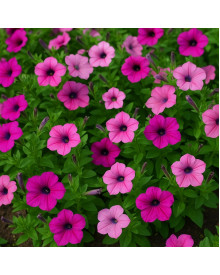
Boxwood + petunia or lobelia = a contrast of color and texture.
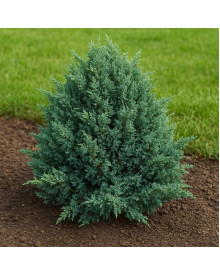
Boxwood + yew or juniper = a restrained evergreen composition.
Boxwood is very well suited to Ukraine’s climate: it tolerates heat, frost, wind, and urban pollution. Its longevity, stability, and aesthetic appeal make it not only an ornament, but also a symbol of style in the Ukrainian garden.