Japan is a country where flowers play an important role not only in nature, but also in culture, art, and philosophy. Here, each type of plant is endowed with a special meaning, and floral compositions are seen as a way to express emotions, convey ideas, and even communicate with nature. The art of ikebana, seasonal blossom festivals, and national floral symbols all reflect the close connection between the Japanese people and the world of plants.
The most famous Japanese flower is sakura, or the cherry blossom. Every year, millions of people gather in parks to admire this beautiful sight. This phenomenon is called hanami — the tradition of viewing blossoms, which symbolizes the fleeting nature of life and the beauty of the moment. Sakura petals fall just a few days after blooming, reminding people of how short human existence is. Inspired by this natural phenomenon, the Japanese have used the image of sakura for centuries in poetry, painting, kimono design, and even cuisine.
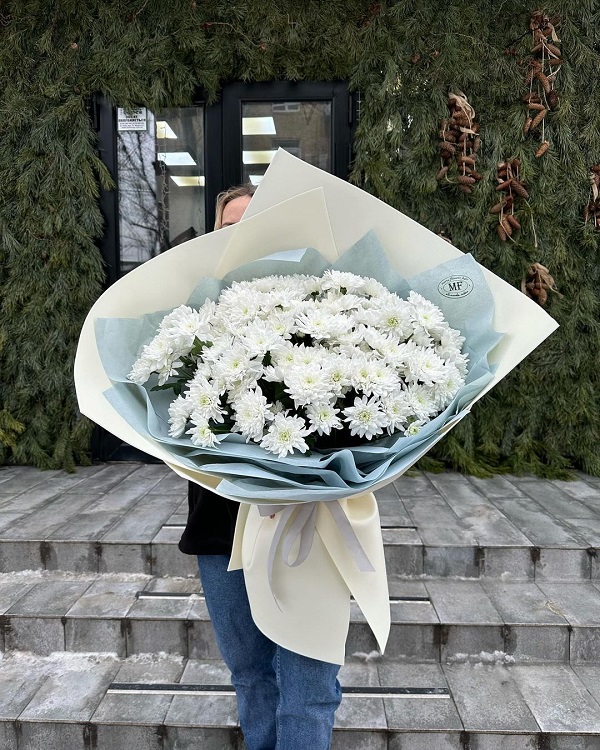
Besides sakura, the chrysanthemum holds an important place in Japanese floral culture as a symbol of imperial power. This flower appears on the country’s emblem and even on Japanese passports. The chrysanthemum is associated with longevity, wisdom, and nobility, and it is widely used in ceremonies and festivals. Every year, Japan hosts a Chrysanthemum Festival, where visitors can see hundreds of varieties of this majestic flower.
Another important symbol is the iris. These elegant flowers are considered a symbol of inner strength and protection from evil spirits. In Japanese culture, irises are linked to samurai traditions and are used in martial rituals as well as home decoration. In spring and early summer, Japanese ponds and waterways become covered with blooming irises, creating enchanting landscapes that inspire artists and photographers.
One of the most famous flower-related arts in Japan is ikebana, the traditional art of flower arranging. Unlike Western floral compositions, where brightness and luxury often take center stage, Japanese ikebana is based on the principles of minimalism, balance, and naturalness. Every branch, every flower, and even the empty space between the elements carries deep meaning.
Ikebana originated as part of Buddhist rituals involving floral offerings in temples. Over time, this art became more refined and developed into various styles and schools. Ikebana uses not only flowering plants, but also leaves, branches, grass, stones, and even moss. One of its main features is asymmetry, which symbolizes the naturalness and dynamic character of nature.
The main styles of ikebana are rikka, shoka, and nageire. Rikka is considered the oldest and most formal style, requiring careful plant selection and strict rules for arranging the elements. Shoka is a simplified style that uses three main elements symbolizing heaven, humanity, and earth. Nageire is the freest style, based on the natural placement of flowers in a vase.
Modern ikebana has adapted to the rhythm of urban life and has become an important part of Japanese interior design. Ikebana arrangements decorate offices, restaurants, hotels, and homes, creating an atmosphere of harmony and calm. This tradition continues to live and evolve, attracting people around the world who want to learn how to express emotions through flowers.
Japan is famous for its seasonal flower festivals, which attract tourists from all over the world. Besides hanami, dedicated to sakura, the country celebrates many other festivals in which flowers play the central role.
The wisteria festival is one of the most beautiful spring events. Wisteria, known for its long cascading clusters of lilac, pink, and white flowers, creates magical tunnels beneath which locals and visitors love to walk. The most famous wisteria park is Ashikaga, where more than 350 varieties of these remarkable plants can be seen.
In June, the hydrangea blooming season begins. During this period, temples and gardens organize special walks where visitors can enjoy the shades of blue, purple, and pink blossoms. Hydrangeas are especially popular at Meigetsu-in Temple in Kamakura, where they grow in huge numbers and create fairy-tale landscapes.
Autumn in Japan is marked by the blooming of red spider lilies. These unusual flowers with their vivid petals are associated with change and nostalgia. They often grow in cemeteries and along riverbanks, symbolizing the boundary between the worlds of the living and the dead. Despite their mystical reputation, spider lilies attract photographers eager to capture their mysterious beauty.
In Japan, flowers do not simply decorate the surroundings — they carry deep meaning and are used to express feelings. The camellia, for example, is a symbol of faithfulness and nobility. During the samurai era, this flower was given as a sign of devotion and respect. The red camellia is associated with passion, the white with purity, and the pink with tenderness and love.
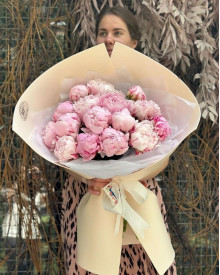
In Japanese culture, the peony symbolizes wealth, prosperity, and happy family life. This luxurious flower is often depicted in traditional painting and tattoos, and it is also used in festive ceremonies.
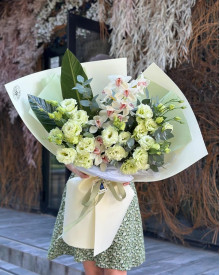
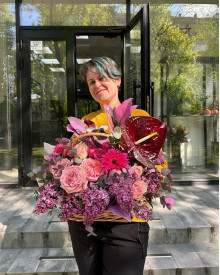
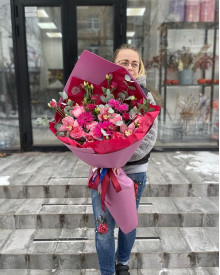
If you want to experience the refinement of Japanese culture, Marta Flowers offers unique floral arrangements in the Japanese style. We create bouquets inspired by the art of ikebana, seasonal flowers, and traditional Japanese symbols.
Our florists carefully select each plant, creating harmonious compositions that will fill your home with an atmosphere of comfort and beauty. Japanese flowers are more than just décor. They carry the wisdom of centuries, the depth of feeling, and a refined natural beauty. Marta Flowers will help you discover this enchanting world and bring joy to everyone who appreciates the art of flowers.