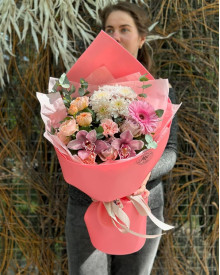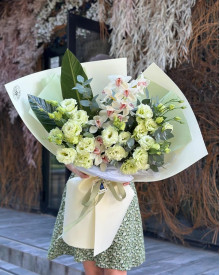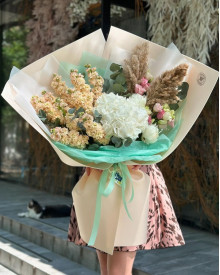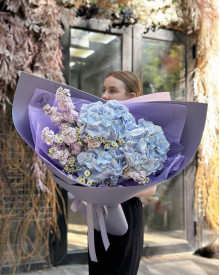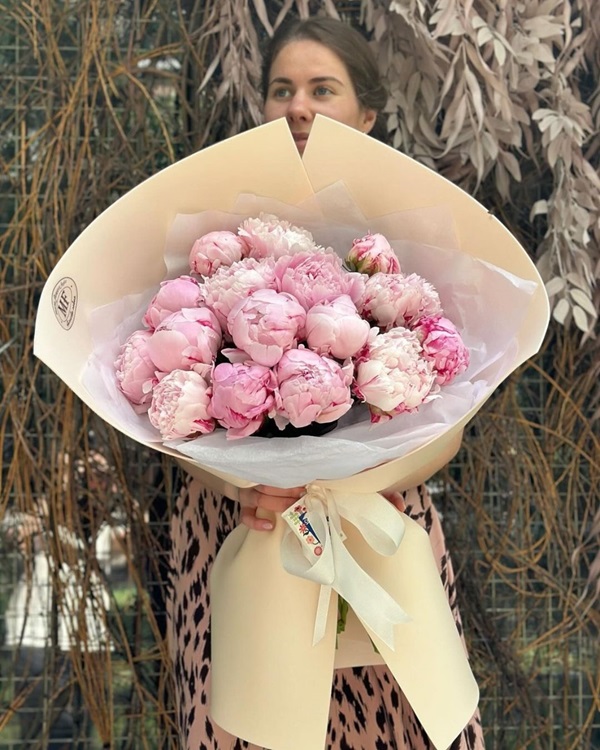
Drafts are one of the hidden factors that can significantly shorten the lifespan of cut flowers. Many people assume that a light breeze or fresh air is good for plants, but for freshly cut flowers the situation is quite different. Unlike houseplants, which have a root system capable of maintaining water balance, bouquets are far more vulnerable to external conditions.
When a bouquet is placed in an area with constant air movement, moisture begins to evaporate more quickly from the petals and leaves. Flowers lose water much faster than they can absorb it through their stems. As a result, the petals become dry and brittle, while the leaves curl and turn pale. Roses, tulips, orchids, and hydrangeas are especially sensitive to this kind of exposure.
Another important factor is uneven cooling. Drafts often create temperature fluctuations, especially when air is coming from a window or an air conditioner. One part of the bouquet may remain warm while another is exposed to a cold stream of air. This causes stress in the flowers and disrupts their water exchange, which leads to rapid wilting.
In addition, drafts can cause mechanical damage to petals. If the airflow is too strong, the flowers may rub against one another, leading to dark spots, creases, and even tears on delicate petals. This is especially noticeable in tender flowers such as peonies, anemones, and gerberas.
To keep a bouquet fresh for as long as possible, it is important to avoid places where air is constantly moving. The best place for flowers is a sheltered corner of the room, away from open windows, doors, and fans.
One of the main enemies of cut flowers is dehydration. Even if the bouquet is standing in a vase of water, drafts can still make the flowers lose moisture much faster. The reason is that moving air around the bouquet speeds up evaporation, and the stems simply do not have enough time to restore the lost liquid.
The leaves and petals of flowers are covered with microscopic pores through which water naturally evaporates. Under normal conditions, this process happens gradually, but if the bouquet is standing in a draft, the air quite literally “pulls” moisture out of the plant. As a result, the petals lose firmness, and their edges may begin to dry out and curl.
The thinner the petals, the faster the flower loses moisture. For example, lilies and irises are very sensitive to dry air and constant airflow. Their delicate petals lose moisture easily and quickly become limp. In drafty conditions, such flowers may lose their freshness in just 1–2 days, even if they were placed in water immediately after purchase.
Some flowers, such as chrysanthemums and carnations, are more resistant to moisture loss, but even they eventually suffer from excessive airflow. Drafts accelerate plant aging, causing premature wilting and loss of decorative appeal.
To minimize the effect of drafts, you can use a small humidifier near the bouquet or lightly mist the flowers with clean water from time to time. This helps reduce the rate of evaporation and prolong their freshness.
Another danger of drafts is sudden temperature changes. Air blowing from an open window or door can sharply alter the conditions around the flowers, causing them to wilt quickly.
For example, if a bouquet is standing in a warm room but a nearby window is opened to cold air, the stems may begin to lose their ability to absorb water effectively. This happens because sudden cooling narrows the vessels inside the plant, disrupting the feeding process. Such conditions are especially dangerous for orchids, lilies, and gladioluses, which are used to a stable climate.
Summer heat can be just as dangerous. If an air conditioner is running in the room and creating a cold stream of air, the bouquet may experience what is known as “cold shock.” Sudden cooling changes the cell structure of the petals, and they may begin to darken or develop watery spots. This phenomenon is especially common in roses and peonies, which do not tolerate sharp temperature shifts well.
To protect a bouquet from temperature fluctuations, it is best to choose a place where there are no sudden air currents. Flowers keep their freshness best at a stable temperature of 18–22°C without abrupt changes.
Drafts do not only dry out the petals — they can also contribute to stem rot. This happens because moving air speeds up the evaporation of water not only from the flowers, but also from the vase. When the water level drops quickly, the lower parts of the stems are left without moisture and begin to lose their structure.
If the stems remain out of water even for a short time, their cells start to break down, and the rotting process begins more quickly. This is especially true for flowers such as hydrangeas and daffodils, which require a large amount of moisture.
In addition, drafts make the water in the vase get dirty faster, since particles of dust and small debris carried by the air can get into it. In warm water, this encourages active bacterial growth, and the bacteria enter the plant tissues through the cut ends of the stems. As a result, the flowers begin to rot from the inside, and their lifespan is significantly reduced.
To keep a bouquet fresh for as long as possible, it is important to choose the right place for it. The main recommendations include:
Avoid open windows and doors.
Do not place the bouquet under an air conditioner.
Choose a place with moderate humidity.
Change the water regularly and trim the stems.
Use a humidifier or lightly mist the flowers.
Drafts are one of the least noticeable, yet most harmful, factors affecting the freshness of bouquets. Constant air movement speeds up moisture evaporation, causes stress in the flowers, contributes to mechanical damage, and can even accelerate stem rot.
To help flowers keep their beauty longer, they should be placed in a protected spot, away from air currents, air conditioners, and open windows. Proper care and protection from sudden temperature changes will help keep the bouquet fresh for as long as possible.