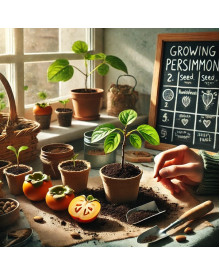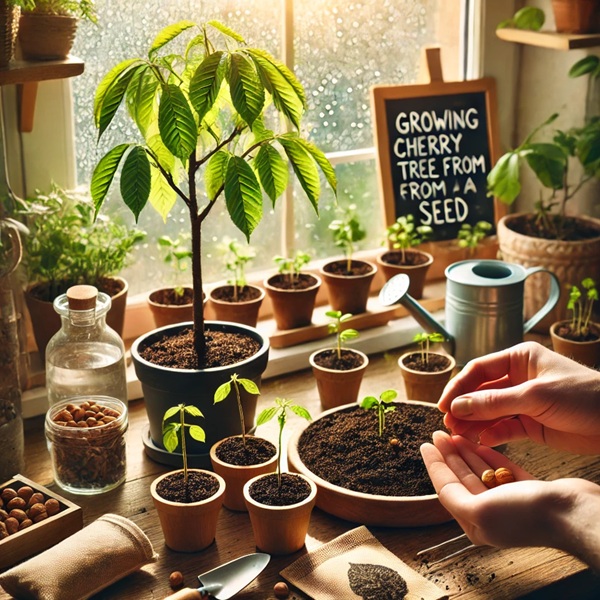
Growing sweet cherry from a pit is not only an exciting hobby, but also a real way to create a beautiful, fruit-bearing tree right at home or in your garden. Sweet cherry is a plant that delights not only with its ornamental appeal, but also with its tasty, juicy fruits. Although sweet cherry is considered a tree of temperate climates, it can be successfully grown even at home if the process is organized properly and favorable conditions are created.
This process requires patience and persistence, since several years may pass from planting the pit to the appearance of the first fruits. But the result is worth all the effort — a tree grown by your own hands will bring joy and pride in your work. Growing sweet cherry from a pit is entirely possible even for a beginner gardener. In this article, we will describe in detail all the stages of cultivation — from selecting the pit to caring for a mature tree.
The first step toward growing sweet cherry from a pit is choosing the right planting material. The success of the entire process directly depends on the quality of the seed. It is important to choose ripe and healthy fruits. Ideally, use fruits from trees already growing in your region. This increases the chances of successful germination, since such pits are adapted to the local climate.
When choosing fruits, pay attention to the following:
The fruits should be fully ripe — an unripe pit germinates poorly.
It is best to use cherries without signs of damage or rot.
Give preference to local varieties, since they are more resistant to the climatic features of your region.
After selecting a suitable fruit, remove the pit and rinse it thoroughly under running water to remove any remaining flesh. This is important because leftover pulp may become a source of fungal infection or mold during germination.
Before planting, the internal processes in the seed need to be activated. For this, the pit is soaked in warm water for 2–3 days, changing the water daily. This helps soften the shell and speeds up germination.
The next important stage is stratification. This process imitates the natural wintering conditions needed to activate seed growth. To do this, place the pit in a container with moist sand or peat and put it in the refrigerator for 2–3 months at a temperature of about 2–5°C. The container should be tightly closed, but it should be aired out periodically to avoid mold.
Check the condition of the pit every two weeks — it should remain moist, but not waterlogged. When a small crack or sprout appears on the seed surface, you can move on to the next stage — planting.
After successful stratification, the pit is ready for planting in soil. Sweet cherry prefers light, fertile, and well-drained soil. An optimal mixture is garden soil, peat, and river sand in a 2:1:1 ratio. This mix ensures good aeration for the root system and creates a favorable environment for sprouting.
For the initial planting, a small container or pot at least 15 centimeters deep will work well. A drainage layer of expanded clay, small gravel, or coarse sand must be placed at the bottom. This will prevent water stagnation and protect the young plant from root rot.
Prepare the pot with a drainage layer and fill it with the prepared soil.
Plant the pit vertically at a depth of about 3–5 centimeters.
Lightly firm the soil to secure the seed.
Water generously with warm, settled water.
Cover the container with film or glass to create a greenhouse effect.
The pot should be placed in a bright and warm location, but not in direct sunlight. The room temperature should be within 20–25°C. It is important to ventilate the container regularly and monitor the moisture level — the soil should remain slightly moist.
With proper care, the first sprouts may appear in 4–8 weeks. However, this process may also take several months — everything depends on the sweet cherry variety and the germination conditions. After the sprouts appear, the film should be removed and the container moved to a brighter location.
After the first sprouts appear, the active care stage begins. At this point, it is important to provide the plant with suitable conditions, since it is especially vulnerable to external factors.
Sweet cherry loves light very much, so the pot is best placed on a south- or east-facing windowsill. If your region lacks natural light, especially in winter, it is recommended to use grow lights for additional illumination. Daylight hours should be at least 12 hours long.
Temperature conditions are also very important. In the spring and summer, the optimal temperature is 20–25°C, while in winter the plant should be moved to a cooler place with a temperature of about 10–15°C. This allows the young tree to rest and prepare for a new growth period.
Sweet cherry tolerates neither soil drying out nor waterlogging. Watering should be regular but moderate. Use soft, settled water at room temperature. It is important to make sure water does not collect in the saucer.
If the indoor air is too dry, especially during the heating season, the leaves should be sprayed additionally or a humidifier should be used. This helps prevent leaf drying and ensures comfortable growing conditions.
After the first true leaves appear, feeding can begin. Complex fertilizers containing nitrogen, phosphorus, and potassium are suitable for this. The seedlings should be fed once every two weeks during active growth — in spring and summer. Feeding should be stopped in autumn and winter.
When the seedling reaches a height of 30–40 cm, crown formation should begin. To do this, pinch the top of the plant. This will stimulate the growth of side shoots and make the tree fuller and more decorative.
When the sweet cherry seedling reaches a height of 60–80 centimeters and the root system begins to fill the pot, it should be transplanted into a larger container or into open ground, if the climate allows.
Transplanting is best done in spring, after the threat of frost has passed. The following conditions should be observed:
Choose a well-lit place protected from wind.
Prepare a hole at least 50 centimeters deep.
Place a drainage layer of gravel or broken brick at the bottom.
Add some fertile soil mixed with compost or humus.
Carefully place the plant in the hole without damaging the root system.
Fill in the remaining soil, gently firming it around the trunk.
Water generously.
After transplanting, sweet cherry requires attentive care. Regular watering during active growth and flowering is essential. At the same time, it is important to avoid overwatering the soil.
Fertilizer is applied three times per season:
Early spring — nitrogen fertilizers for active green growth.
Flowering period — potassium-phosphorus fertilizers to stimulate fruit formation.
Autumn — organic fertilizers to strengthen the root system before winter.
Sweet cherry is pruned every year, preferably in spring before sap flow begins. Weak, damaged, and overcrowding shoots are removed. This promotes better air circulation inside the crown and prevents the development of diseases.
Sweet cherry may be affected by aphids, cherry fly, or fungal diseases. For prevention, special insecticides and fungicides should be used. Regular inspection of the plant helps detect problems in time and take action.
Growing sweet cherry from a pit is a long process that may be accompanied by various difficulties. The most common are:
Possible causes:
Low-quality pit
Insufficient stratification
Low temperature during germination
This may be caused by:
Nutrient deficiency
Excess watering or soil drying out
Low air humidity
Main causes:
Temperature fluctuations
Insufficient lighting
Drying of the roots
To fight pests and diseases, special products should be used and the plant should be inspected regularly. It is important to follow the watering and feeding schedule and carry out preventive treatment against fungal infections.
Growing sweet cherry from a pit is a long but fascinating process that requires patience and care. With proper maintenance, you can grow a beautiful tree that will become a point of pride in your garden or home.
Main tips for successful sweet cherry cultivation:
Use only fresh and healthy pits.
Always stratify before planting.
Maintain moderate watering and lighting.
Feed the plant regularly and shape the crown.
Carry out preventive treatment against pests and diseases.