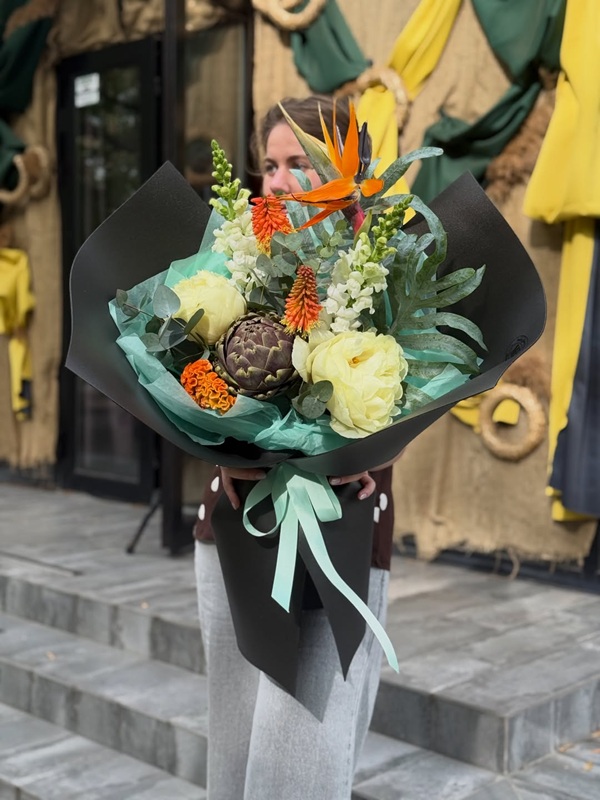
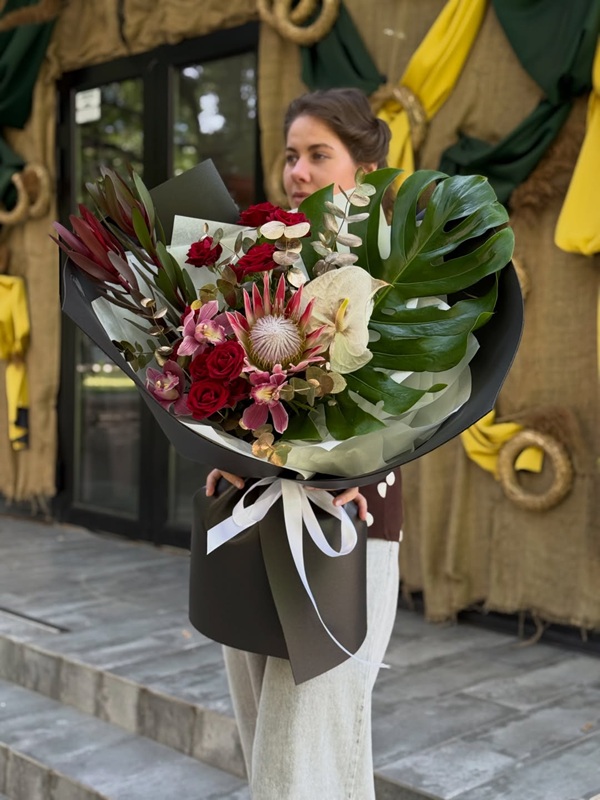
Cut flowers need special care in order to stay fresh and attractive for as long as possible. Even the hardiest plants begin to wilt if they lack moisture or nutrients. However, there are special additives that help extend the life of a bouquet and preserve its beauty. By adding the right substances to the water, you can slow the growth of bacteria, improve the flowers’ nutrition, and keep them fresh for several extra days, and sometimes even for weeks. Marta Flowers specialists explain which additives really work and how to use them correctly.
As soon as flowers are cut, they lose their natural source of nourishment and become completely dependent on the water in the vase. But ordinary water is not always able to provide plants with the necessary level of moisture and nutrients. The main reasons flowers wilt quickly are:
The growth of bacteria in the water, which block the vessels in the stems.
A lack of nutrients that support the plants’ vital processes.
Air blocking the stems, which makes it harder for them to absorb moisture.
An unsuitable acidity level in the water, which slows down liquid absorption.
Properly selected additives help solve these problems. They maintain the balance of nutrients, prevent the growth of microorganisms, and extend the freshness of the flowers.
One of the most effective additives for keeping flowers fresh longer is ordinary sugar. It serves as a source of glucose, which nourishes cut flowers and supports their vitality.
How to use it:
Add 1 teaspoon of sugar to 1 liter of water and stir well.
For a better effect, sugar can be combined with an acid, such as citric acid, to balance the pH level of the water.
Sugar is especially useful for roses, carnations, chrysanthemums, and gerberas, because these flowers respond well to additional nourishment.
However, it is worth remembering that sugar also creates a favorable environment for bacteria. To avoid this, it is recommended to combine it with antiseptic additives such as vinegar or aspirin.
Aspirin is a popular way to prolong the freshness of cut flowers. It reduces the amount of bacteria in the water and helps maintain an optimal acidity level.
How to use it:
Crush 1 aspirin tablet and dissolve it in 2 liters of water.
Use this solution whenever you change the water, refreshing it every two days.
Aspirin is especially useful for roses, because it helps them absorb moisture more effectively.
This method is often used by florists because it is simple and gives good results. However, for some delicate flowers, such as lilies, it may be less effective.
Another effective additive for extending the freshness of flowers is vinegar. It regulates the acidity of the water and prevents bacterial growth.
How to use it:
Add 1 teaspoon of vinegar to 1 liter of water.
Vinegar can be combined with sugar to provide the flowers with nourishment.
It is especially suitable for chrysanthemums, roses, and lilies.
Regularly changing the water with vinegar added helps prevent it from turning cloudy and keeps the flowers fresh longer.
Citric acid helps reduce the alkalinity of the water and prevents bacteria from multiplying. This method is especially effective in areas with hard water.
How to use it:
Dissolve a small pinch of citric acid in 1 liter of water.
Use this solution when changing the water every 1–2 days.
Citric acid helps keep the water clear longer and improves the flowers’ absorption of moisture.
This method is especially useful for flowers such as orchids, gerberas, and lilies.
Activated charcoal is a natural water purifier and helps keep the water fresh by preventing the growth of microbes.
How to use it:
Crush one tablet of activated charcoal and add it to the water.
Replace the charcoal whenever you change the water so it can continue purifying the liquid.
This method is especially useful for hydrangeas, peonies, and roses.
Activated charcoal helps prevent unpleasant odors in the water and slows down rotting.
Some florists use alcohol or bleach in very small amounts to prevent bacteria from multiplying in the vase. However, these methods require caution.
How to use them:
Add a few drops of vodka or 2–3 drops of bleach to 1 liter of water.
Do not exceed the dosage, so as not to damage the flowers.
This method is effective for gerberas, lilies, and chrysanthemums.
Although alcohol and bleach can prolong the life of flowers, they are best used only in exceptional cases.
In addition to using the right additives, it is important to follow the basic rules of flower care:
Change the water regularly — at least once every two days, and preferably every day.
Remove the lower leaves — they may rot in the water and encourage bacterial growth.
Trim the stems every 1–2 days so they can absorb moisture better.
Keep the flowers in the right place — the best temperature is +15 to +20°C, away from direct sunlight and drafts.
Do not place flowers near fruit — apples and bananas release ethylene, which speeds up wilting.
Marta Flowers offers only high-quality bouquets that stay fresh for a long time. We carefully select the flowers and deliver them in the best possible condition.
Place your order with Marta Flowers, and your bouquet will keep delighting you with its freshness for as long as possible.