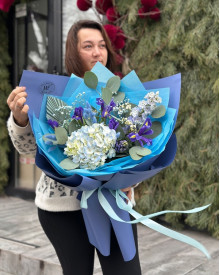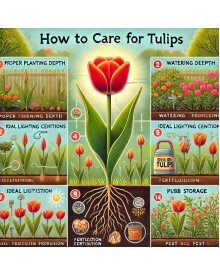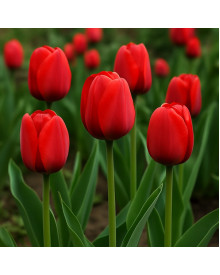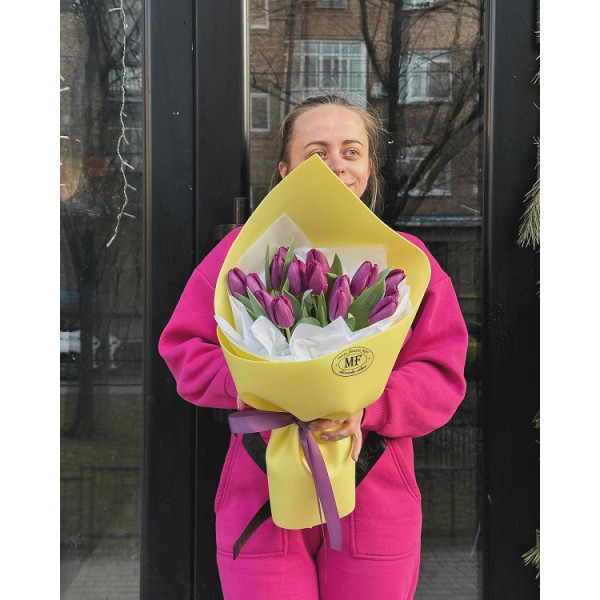
Spring flowers bring tenderness and freshness, and tulips and daffodils are rightly considered two of the most popular flowers of the season. They are often used in bouquets to create bright arrangements filled with a spring mood. However, many people wonder: can tulips and daffodils be placed in the same vase? At first glance, these flowers look beautiful together, since their palette includes both delicate pastel shades and rich tones, creating harmonious compositions. At the same time, it is important to take into account the biological characteristics of each type.
Tulips belong to the lily family, while daffodils belong to the amaryllis family. These flowers have different stem structures and water needs, which affects their compatibility in a bouquet. Daffodils release a special sap that can negatively affect other plants in the same vase. This sap contains mucilaginous substances and toxic compounds that may cause tulips and other flowers to wilt. That is why florists recommend keeping several details in mind if you want to combine these two types of flowers in one arrangement.
One of the main problems connected with keeping daffodils and tulips in the same vase is the sap released by daffodils, which contains substances harmful to other plants. This sap has a sticky texture and may clog the vessels of tulip stems, preventing the normal flow of water and nutrients. As a result, tulips lose their firmness, wilt quickly, and do not open fully.
In addition, daffodils contain the alkaloid lycorine, which is a natural toxin. It does not pose a danger to daffodils themselves, but other flowers, especially those with thin and delicate stems, may suffer from its effects. That is why professional florists recommend certain preparation techniques before placing daffodils in a vase together with other flowers.
If you want to create a beautiful bouquet with tulips and daffodils, the flowers need to be prepared properly before being placed together in water. One of the most common methods is pre-soaking the daffodils. To do this, you should:
Cut the daffodil stems at an angle using a sharp knife to improve their ability to absorb moisture.
Place the daffodils in water separately for at least 12 hours so they can release most of their sap.
After soaking, do not make fresh cuts on the daffodil stems, otherwise the sap will begin to flow again.
After these steps, the daffodils can be carefully added to an arrangement with tulips, but even then the flowers will require special care. The water in the vase should be fresh and changed daily, and the stems should be refreshed regularly to improve water absorption.
If you are worried that daffodils may harm tulips but still want to create a beautiful arrangement, you can use alternative bouquet design methods. One option is to use separate water containers for each type of flower and then combine them into one overall arrangement. This technique is often used by professional florists when designing bouquets for weddings and festive events.
Another option is to create the bouquet in floral foam, which allows each flower to receive the right amount of moisture while preventing the stems from coming into contact in water. In this case, there is no need to worry about the harmful effect of daffodil sap on tulips.
In addition, you can choose daffodil varieties in advance that release only a minimal amount of slime. For example, double and miniature daffodil varieties are less aggressive compared to classic types.
To help a custom bouquet of tulips and daffodils last as long as possible, it is important to follow several simple but effective care rules:
Use cool water. Water that is too warm speeds up wilting, while cool water helps preserve the flowers’ freshness.
Change the water daily. This will prevent bacteria from multiplying and negatively affecting the flowers.
Trim the stems every 1–2 days, but do not make fresh cuts on daffodils after they have already been pre-soaked.
Keep the bouquet away from direct sunlight and heat sources. High temperatures shorten the life of the flowers.
Use special flower food for cut flowers. Floral preservatives help extend bouquet freshness by providing the flowers with necessary nutrients.
If no preliminary treatment is carried out on the daffodils, the chance that the tulips will wilt quickly is quite high. However, in some cases, combining these flowers without preparation is still possible.
Some florists claim that if special flower preservatives or activated charcoal are added to the vase, the negative effect of daffodil sap is reduced. However, such methods do not guarantee complete safety for the tulips.
So, combining tulips and daffodils in one bouquet is possible, but it requires the right approach. By following florists’ recommendations, you can create a beautiful and long-lasting spring bouquet that will keep its freshness for as long as possible.