


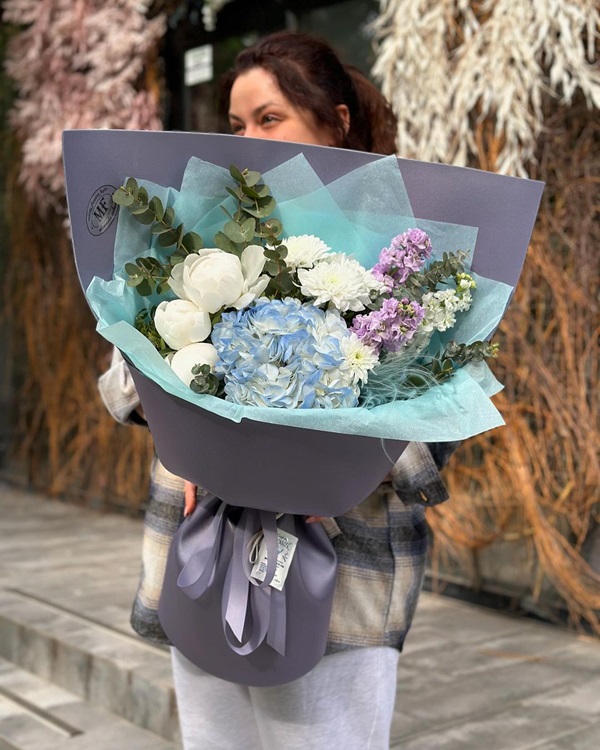
Flowers are living organisms that continue to need water after being cut. Each flower reacts differently to temporary dehydration, and this process depends on the structure of the stem, the density of the petals, and the plant’s ability to retain moisture. A lack of water for several hours can have different consequences depending on the type of flower, the ambient temperature, and the level of humidity in the air.
Some flowers are able to stay fresh for quite a long time without water. For example, chrysanthemums, carnations, and alstroemerias can last for several hours or even a full day if the air temperature is not too high. These flowers have dense petals and stems that are resistant to dehydration, which allows them to remain fresh longer.
However, more delicate plants such as tulips, peonies, irises, and hydrangeas lose moisture much faster. Their thin petals and tender stem tissues make them sensitive to dehydration, and even a few hours without water can lead to wilting. Hydrangeas are especially sensitive to moisture loss — they may lose their decorative appearance in just 30–60 minutes without water.
The flowering stage also plays an important role. If a bouquet consists of fully opened flowers, they will begin to wilt faster without water. Buds, by contrast, may last several hours without major changes, since they have not yet opened fully and evaporate less moisture.
Air temperature and humidity level also have a strong impact. In a cool and humid room, flowers can stay fresh longer, while in a hot and dry environment the evaporation of moisture speeds up, which greatly shortens the time they remain attractive.
Some types of flowers are naturally able to stay fresh longer without water because of their structure. For example, roses are considered hardy flowers that can last for several hours without water if they are kept at a low temperature and protected from direct sunlight.
Carnations and chrysanthemums are also highly resilient. They can remain fresh for 5–7 hours without water, especially if they were previously kept in a cool environment. These flowers have dense petals and strong stems, which slows down the evaporation of moisture.
Orchids are another example of flowers that can go without water for quite a long time. Because of their tropical nature, they are adapted to high humidity and can absorb moisture even from the air. If they are kept in a room with increased humidity, they will stay fresh longer than many other plants.
However, there are flowers that tolerate a lack of water very poorly. For example, dahlias, asters, and lily of the valley lose freshness quickly. Their delicate stem and petal tissues do not allow them to retain moisture for long, so even a few hours without water may cause them to wilt completely.
Hydrangeas require especially careful attention. These flowers have a high rate of moisture evaporation through their petals, so even a short time without water can make them limp. For such flowers, it is recommended not only to keep them in water, but also to moisten the petals periodically with a spray.
If flowers need to be left without water for several hours, it is important to take steps in advance to help minimize moisture loss and preserve the bouquet’s freshness. One of the most effective methods is to wrap the stems in a damp cloth or paper. This helps reduce moisture evaporation and prevents the stems from drying out.
Before leaving flowers without water, it is recommended to refresh the cuts on the stems. This will improve their ability to absorb moisture once they are placed back in water. The cut should be made at a 45-degree angle using a sharp knife or pruning shears.
If the flowers need to be transported without water, they can be placed in a sealed bag with a small amount of damp paper near the base of the stems. This creates a greenhouse effect and helps slow down moisture evaporation.
Some flowers, such as roses and gerberas, benefit from being lightly misted with a spray bottle before transport. This creates an extra reserve of moisture that helps them stay fresh longer. However, this method is not suitable for all plants — for example, spraying lilies and tulips may cause spots to appear on the petals.
Many people make mistakes that cause flowers to lose freshness faster than they otherwise would. One of the most common mistakes is leaving a bouquet in direct sunlight. The sun’s heat speeds up moisture evaporation, and even the hardiest flowers begin to wilt twice as fast.
Another common mistake is keeping flowers in a hot room. Temperatures above 20°C lead to rapid moisture evaporation, especially if the air is dry. The best place for temporarily storing a bouquet is a cool room with a temperature of about 10–15°C.
Some people forget that flowers can absorb moisture not only through their stems, but also through their petals. If the room is very dry, it is helpful to create extra humidity by placing a container of water nearby or by misting the air around the bouquet.
If flowers have spent several hours without water and have started to lose freshness, they can sometimes be revived using special methods. One of the most effective ways is to place the stems in warm water, about 30–40°C, for 1–2 hours. This helps open the capillaries in the stems and restore their ability to absorb moisture.
Some flowers, such as roses, can be fully submerged in water for several hours. This is especially effective if the petals have started to lose their firmness.
So, flowers can remain without water for several hours, but their freshness depends greatly on the species, the ambient temperature, and the storage conditions. By following the basic rules of care, it is possible to minimize moisture loss and preserve the beauty of a bouquet even without water.


